
5 Must-Have Clauses Every Landlord Should Include in a Rent Agreement

Rent Agreement: 5 Clauses Landlords Can't Miss
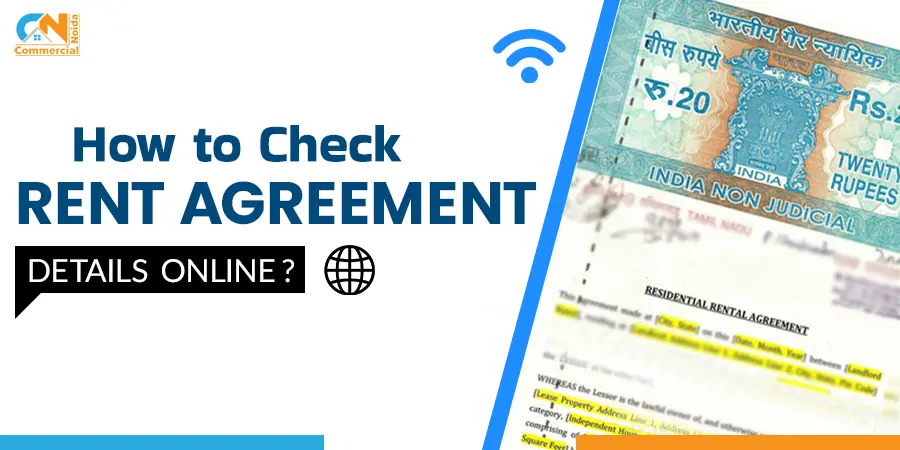
If you're a landlord planning to rent out your house or flat, creating a rent agreement is one of the most important steps. A well-written rent agreement protects your rights and prevents legal trouble. But many landlords ignore important points and face problems later.
In this blog, we’ll explain 5 rent agreement clauses you should never miss. These clauses are simple but powerful. They protect your property, avoid misunderstandings with tenants, and help you stay safe legally.
Let’s get started.
1. Purpose of Rent and Use of Property
Always clearly mention the purpose of renting the house. Is it for residential use? Or commercial? Write this in the agreement.
Example: “This property is rented only for residential purposes by the tenant and his/her family.”
This helps you stop tenants from using your home as a shop, office, or guest house. Also, mention that the tenant cannot sublet (give it to someone else for money) without your permission.
Also add that ownership stays with the landlord, and the tenant only has the right to use the property. Why it matters: This clause helps you avoid misuse of your property and keeps your control as the owner.
2. Rent Duration, Lock-In Period, and Notice Time
The rent agreement must clearly mention:
• Start and end date of rent
• Lock-in period (minimum stay time)
• Notice period for leaving or ending the agreement
Lock-in period helps you avoid losses. For example, if the tenant leaves after just 2 months, you may lose money spent on painting, repairs, or broker fees. So, a 6-month or 1-year lock-in is helpful. Also, mention the notice period – usually 1 or 2 months – that either party must give before ending the agreement.
3. Rent Amount, Due Date, and Late Payment Charges
Be clear about:
• Monthly rent amount
• Due date for rent payment (e.g., 5th of every month)
• How rent will be paid (bank transfer, cheque, etc.)
• Late fees or penalty for delay
Example clause: “If the rent is not paid by the 5th of every month, a late fee of 500 will be charged per week of delay.” This clause avoids confusion and makes tenants pay on time.
4. Repairs, Damages, and Property Condition
Mention clearly:
1. Who will pay for minor repairs (like tap leaks, bulb replacements) – usually the tenant
2. Who will pay for major repairs (like wall damage, wiring) – usually the landlord
Also, write that no changes or damage can be done to the structure without written permission. If the house is semi- or fully-furnished, attach an inventory list of furniture and electronics with the condition noted (new, old, etc.).
Before the tenant leaves, the security deposit will be returned after checking the condition. If there is damage, the cost will be deducted. Why it matters: It protects your property from misuse and saves you from paying for tenant-caused damage.
5. Eviction Terms and Agreement Termination
Make sure to write:
1. When the tenant must leave – like at the end of the term or in case of illegal use
2. What happens if the tenant doesn’t vacate the house on time
3. How disputes will be solved – like first through discussion, then legal action if needed
You can also add a clause that says the landlord can visit the property with prior notice, for inspections or repair checks. Finally, get your rent agreement registered at the local sub-registrar’s office. An unregistered agreement has no legal power.
Final Thoughts: Protect Your Rights as a Landlord
Renting a house or flat may seem simple, but without the right clauses in your rent agreement, it can become a headache.
These 5 clauses are your safety net:
1. Purpose of Use
2. Rent Duration and Lock-in
3. Payment Terms
4. Maintenance Rules
5. Eviction & Legal Protection
Take help from a lawyer to review your rent agreement. This small step can save you from big troubles in the future.
A smart landlord is a safe landlord.


.webp)










































































































































































.webp)
































































































.webp)













































































.webp)