
Checklist Before Accepting Occupancy Certificate from Builder
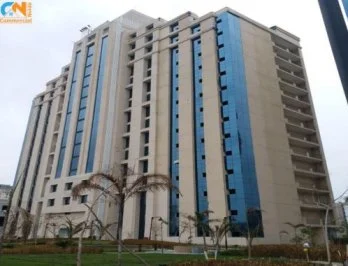
Recently, on the 7th of July, the Allahabad High Court issued a notice to the Noida Authority, directing it to clarify how the OC was given to the Lotus Boulevard Project despite allegations that the project doesn’t have sewage treatment infrastructure.
According to environmental guidelines and building bylaws, STPs are mandatory before an occupancy certificate can be granted. But according to the AOA, only 1.5 out of 4 required STPs were partially constructed when OCs were issued.
Now, this is a different topic to debate, but the question is, in what circumstances can the issuance of an OC be refused for a real estate project?
This blog will cover everything you need to know before the builder gives you the OC.
Check these things before the builder issues your OC.
It is crucial to verify that all necessary approvals are in place before the builder provides you with the OC. As soon as the builder gives you the OC, it serves as a formal declaration that the building has been completed according to the approved plans and that all necessary approvals have been obtained.
So, to avoid any future disputes like with the Boulevard Project, it’s essential to check all the necessary things before you accept the OC, as you will be obliged to make the final payment then, which can be considered a sign of mutual acceptance.
1. Valid OC and CC, both are on RERA’s site
It is very essential to check whether a valid Completion Certificate (CC) and Occupancy Certificate (OC) have been granted. If they are not uploaded on the RERA site under the specific project, please refrain from accepting the OC.
2. Check approved Building Plan
Always compare the approved building plan—including internal and external development—with the final unit allotted in the Occupancy Certificate. Even a slight change can lead to future disputes, so always keep everything in writing.
3. No Objection Certificates from Departments
You should receive verifiable NOCs for:
• Fire safety
• Water & sewerage
• Electricity
• Pollution Control (if applicable)
• Society (for resale)
Without these, obtaining utilities or legal possession may be problematic.
4. Check Encumbrance Certificate
Please verify with the Encumbrance Certificate (EC) to ensure that the plot/unit is free from mortgages, liens, or disputes. If necessary, check the mutation records, sale/suit deeds, or Khata/registry documents, as the OC may transfer any existing liabilities to you.
5. Snag & Defect Inspection
Physically inspect your unit for:
• Doors/windows fit, locks, termite treatment, sealing
• Electrical fittings, grounding system, functionality
• Plumbing efficiency, leak tests, and drainage checks
Please compile a snag report and ensure that all items are addressed before the OC handover.
6. Physical Amenities & Infrastructure
Please ensure that all the specified amenities and basic infrastructure promised during the sale are present. Obtain a formal written document detailing the completion date, even if there is a delay.
7. Structural Safety & Land Use
Verify that any structural additions (like extra floors) have proper structural engineer certification, updated NOCs, and no altered land use.
In short, as a buyer, you have the right to refuse to accept the Occupancy Certificate or take possession until all essential issues are fully resolved. Please ensure the builder addresses all issues and provides the necessary legal documents before proceeding.
It’s important to formally record your concerns, preferably via email or a registered letter—this creates a written record. If the builder still fails to address the problems, You can file a complaint under Section 31 of the Real Estate (Regulation and Development) Act (RERA).
You also have the option to approach a consumer forum or civil court for any deficiencies. Through these channels, you can seek penalties, refunds, or even alternate accommodation if the builder refuses to comply.


.webp)







































































































































































.webp)
































































































.webp)















































































.webp)