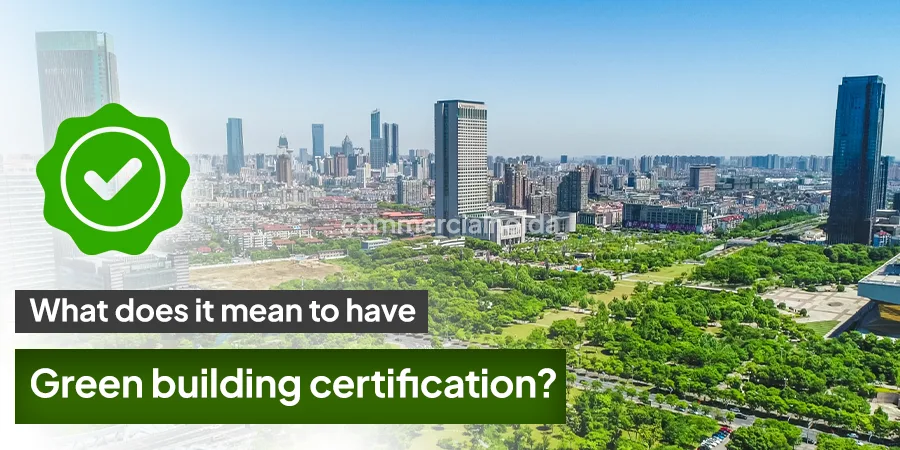
What Is Green Building Certification? Meaning & Benefits
In this fast-evolving world, not just our gardens but also our buildings are going green. But green here doesn't just mean trees and gardens — it also refers to how little we exploit the environment.
The green building certification trend is reshaping how homes, offices, and commercial properties are designed, built, and sold. Whether you're a builder, investor, or homebuyer, understanding green building certification is no longer optional—it's essential.
But what exactly is it? And why does it matter?
Let’s dive into the heart of this green revolution in real estate.
What is Green Building Certified?
A green building certification is a recognized rating system that verifies a building is designed and built using strategies that save energy, water, materials, and reduce environmental harm.
Think of it as a “green stamp of approval”—a way to show that a building is eco-friendly, sustainable, and smart for the long run. These certifications are awarded by organizations that assess a project on different eco-criteria, and give it a rating based on how green it is.
Benefits of Investing in a Green certified Building
Green buildings come with numerous benefits like:
1. Higher Resale value and appreciation: Certified green buildings often enjoy better resale value due to their future-ready design and lower operational costs.
2. Cost saver: Lower electricity bills, water bills, and maintenance costs—green buildings pay for themselves over time.
3. Buyer Trust & Brand Value: Buyers today are eco-aware. Green certification builds trust and shows commitment to health, wellness, and sustainability.
4. Regulatory Benefits: Some government bodies offer tax benefits, fast approvals, or FSI incentives for certified projects.
5. Environment & Health: From clean air indoors to responsible construction outdoors, certified green buildings contribute to climate action and human health.
Types of green building certifications
Here are the most popular green certifications used in real estate, both globally and in India:
International Certifications
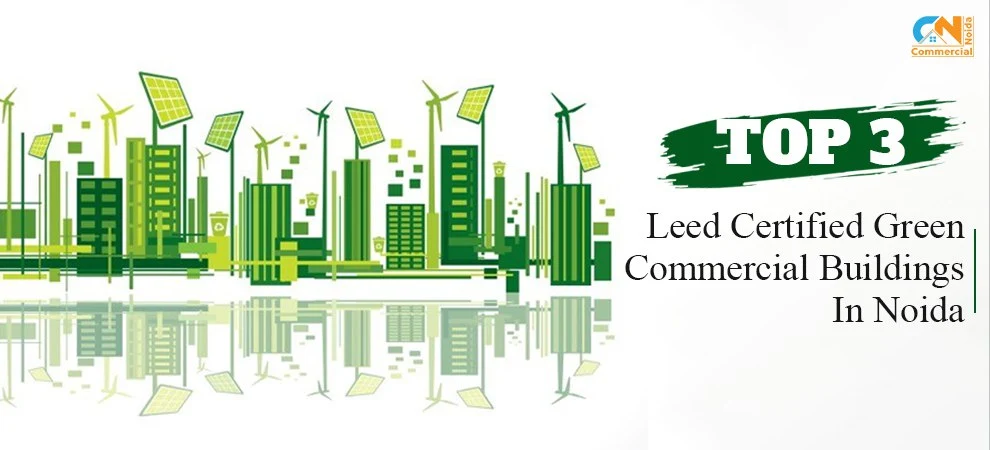
1. LEED (Leadership in Energy and Environmental Design) – US-based, globally adopted. Focuses on energy, water, materials, and indoor air quality.
2. BREEAM (UK) – One of the oldest certification systems. Focuses on sustainable performance across the building lifecycle.
3. WELL – Focuses on human health and wellness inside the building (air, light, sound, nutrition, etc.).
4. EDGE (Excellence in Design for Greater Efficiencies) – By IFC (World Bank Group), great for cost-effective green buildings in emerging markets.
Indian Certifications
1. IGBC (Indian Green Building Council) – One of the most recognized in India. Offers ratings for homes, factories, townships, etc.
2. GRIHA (Green Rating for Integrated Habitat Assessment) – Developed by TERI and supported by MNRE. Made for Indian climate and conditions.
3. BEE Star Rating – Government-backed label focused on energy efficiency in buildings and appliances.

What Makes a Building “Green”? (Key Criteria)
To get certified, a building is evaluated on multiple sustainability parameters like:
Energy Efficiency – Use of solar panels, efficient appliances, smart lighting, etc.
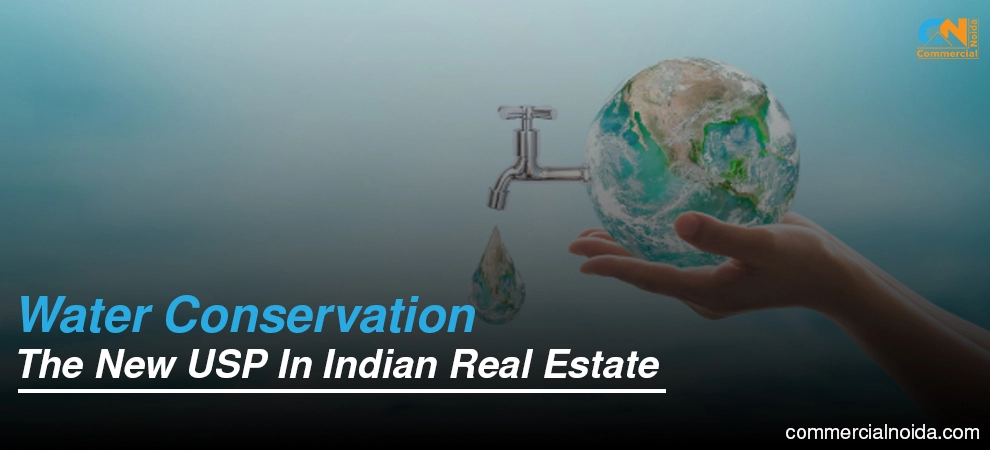
Water Conservation – Rainwater harvesting, water recycling, and low-flow fixtures.
Sustainable Materials – Use of bamboo, recycled wood, fly ash bricks, etc.
Indoor Air Quality – Low-VOC paints, ventilation, and air filtration.
Waste Management – Construction waste reuse and on-site recycling.
Natural Daylighting & Ventilation – Use of windows and airflow to reduce energy consumption.
Examples of Green-Certified Projects in India
• Infosys campuses – IGBC Platinum rated across multiple cities.
• ITC Hotels – Many are LEED Platinum certified.
• Godrej Garden City (Ahmedabad) – India’s first project with EDGE certification.
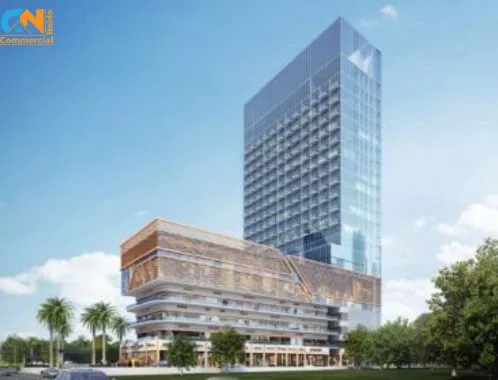
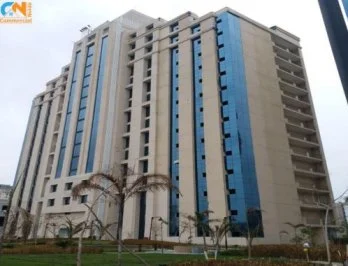
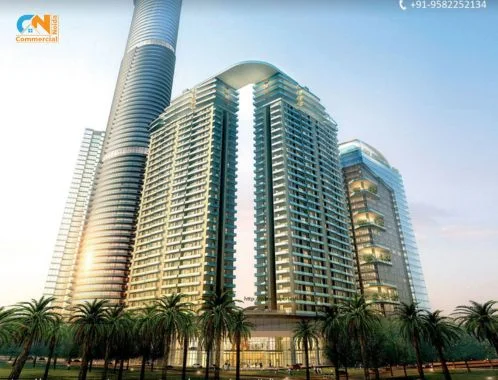
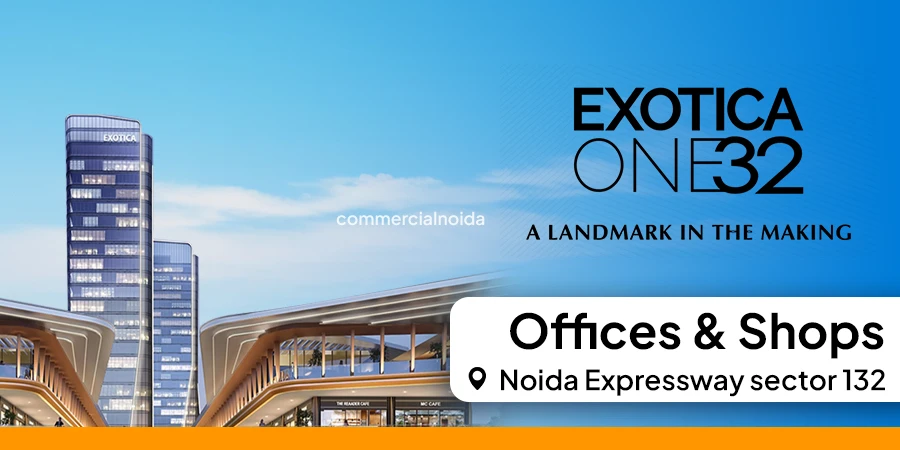
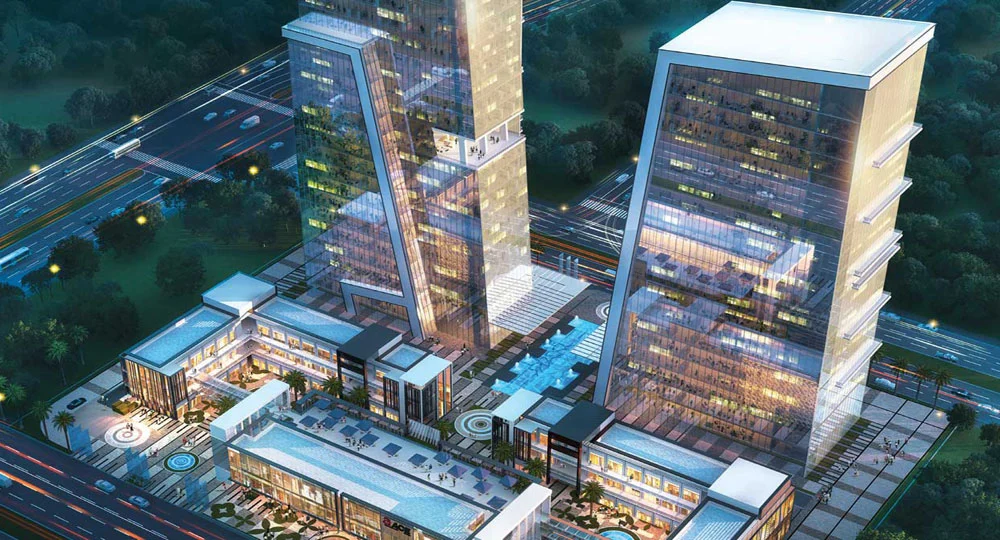
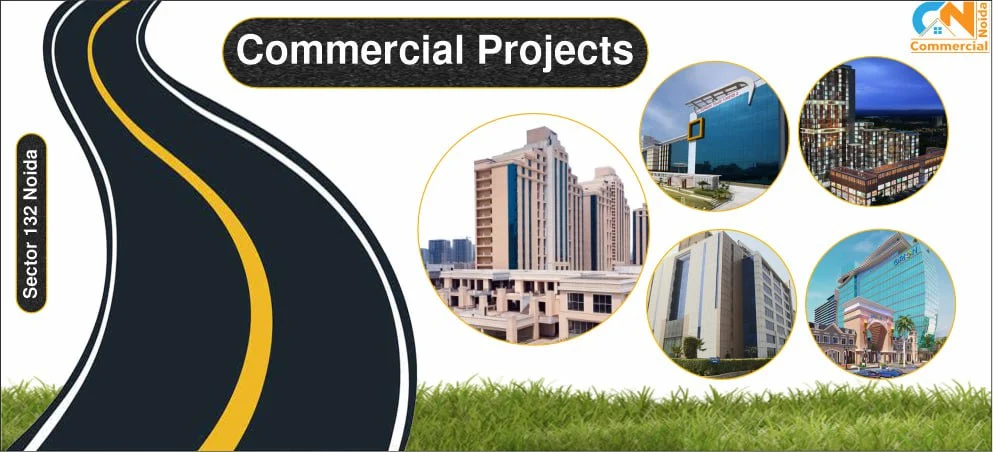
• Exotica 132 Noida: Leed Platinum certified.
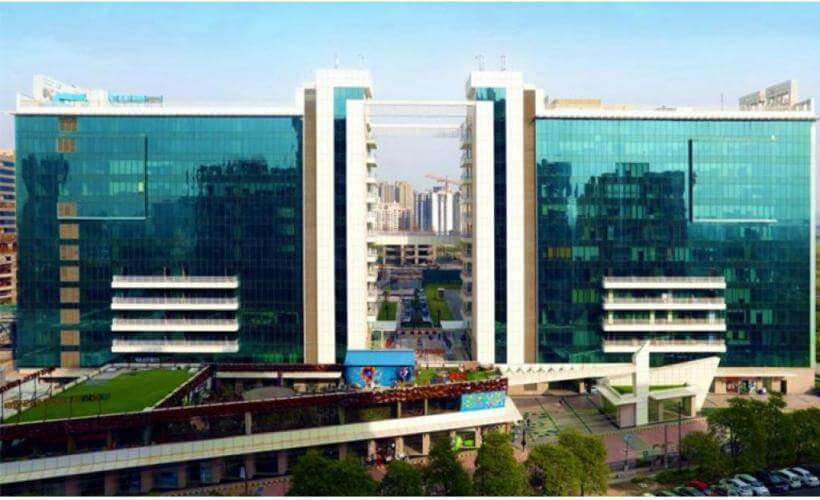
• Advant Navis Noida: LEED Gold Certified.
These projects are not just eco-showpieces, but profit-making assets too.
Challenges in Green Certification
While the benefits are clear, challenges still remain:
1. Initial Cost – Green building materials and certifications can be expensive.
2. Low Awareness – Many developers and buyers still don’t understand the long-term benefits.
3. Skilled Execution – Proper design, construction, and documentation are critical but often lacking.
The Future of Green Buildings in India
With increasing climate concerns, rising energy costs, and government support, green-certified real estate is becoming the new normal. Smart cities, urban townships, and even affordable housing are embracing green principles. As buyers become more educated, demand for certified properties will only grow.
Conclusion
Green building certification is no longer just a “good to have”—it’s a must-have for future-ready real estate. Whether you're a builder wanting to stand out, or a buyer looking for value and sustainability, choosing green-certified buildings is the smarter, greener choice.
Live Green. Build Smart. Invest Wisely.


.webp)
























































































.webp)












































.webp)

































.webp)