The real truth about guaranteed returns scheme in real estate

Guaranteed Return Schemes: What Builders Don't Tell You
Nowadays, guaranteed return schemes have become incredibly popular in the commercial real estate sector. Buyers are often attracted by the promise of earning returns from day one, while also benefiting from the appreciation of the property—essentially, getting the best of both worlds.
However, things aren’t always as straightforward as they seem.
In this blog, we’ll provide a clear and detailed breakdown of how these schemes actually work. We’ll uncover the real truth behind guaranteed return offers—explaining when they can be beneficial, and when they may pose risks. Our goal is to help you make informed decisions and minimize the risks associated with investing in such projects.
What is Guranteed Return Scheme?
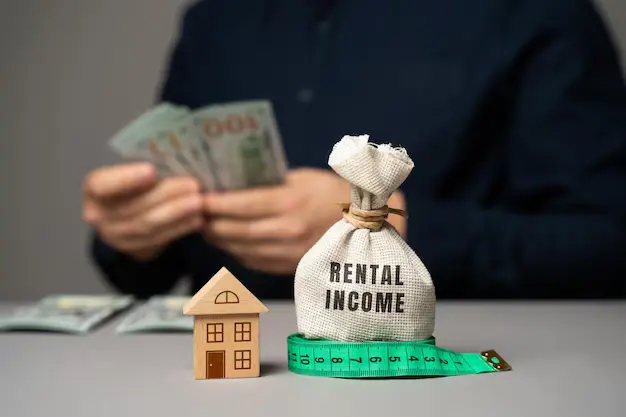
A "guaranteed return" (or assured/guaranteed rental return) scheme in commercial real estate is a deal where the developer promises you a fixed profit—say 8–18% per year—paid regularly (often monthly), even before the property is leased or possession is delivered.
Why Developers offer such schemes?
Developers often offer guaranteed return schemes as a strategy to avoid paying high-interest rates on commercial loans. Let’s understand this with an example.
Typically, developers need to borrow at high interest rates—often between 18% to 30%—to finance the construction of commercial buildings. To sidestep these costly loans, they launch guaranteed return schemes to attract early buyers and investors.
Under these schemes, developers entice buyers by offering guaranteed returns of around 10% to 12% annually. By securing funds from buyers instead of banks, developers effectively reduce their financing costs. Instead of paying 18%–30% interest to financial institutions, they only pay around 10%–12% to buyers—saving 6%–12% in interest.
But there’s another twist: in some cases, developers even attempt to avoid paying the full promised 10%–12% returns, which can create risk for the investor.
Let’s understand how?
Cover Guaranteed Returns by inflating prices
Here’s what really happens: developers raise the prices of the commercial units and then offer you a 12% return on your investment. However, that 12% return is often already factored into the inflated price of the unit itself—it’s not a separate gain.
In essence, you’re funding your own “returns”. You pay a higher upfront price, and the developer simply returns a portion of your own money to you over time, under the guise of guaranteed returns. This strategy allows developers to receive interest-free funding for their projects while also turning a profit from the inflated sale prices.
Buy Back Scheme
Sometimes, builders also offer a buy-back scheme to make the deal more appealing. They persuade you to invest in their project by promising that, in the future—according to the agreement—they will buy back your unit at an appreciated rate, typically 30%–35% higher than your original purchase price.
On the surface, this sounds like a win-win. However, it’s important to understand the fine print and assess whether such promises are realistically enforceable and financially viable for the developer in the long term.
Guaranteed Returns Advantages and Disadvantages
Advantages
A guaranteed return scheme gives you a fixed income—usually 10–18% yearly—even during construction, which helps with planning and cash flow. You get peace of mind from monthly or annual payouts, making budgeting easier.
The developer uses your money instead of expensive bank loans, often giving you a better deal than their own financing cost. This setup offers predictable income for a set time, ideal if you want stability without relying on the rental market. It’s simple and hands-off—once the deal is signed, you just receive regular payments with little effort from your side.
Disadvantages
These schemes can hide big risks. Developers often inflate prices so they can afford the “guaranteed” payout—meaning you end up paying more. They’re unregulated, and regulators like SEBI have flagged them like Ponzi schemes.
Defaults happen, with developers missing payments or delaying handover. You're usually locked in—resale is rare and expensive, and contracts favour developers. After the guaranteed period, future income depends on actual rental income—not guaranteed. Plus, your cash is tied up for years, with little flexibility if you need the money fast.
If you're still considering one
Verify the developer’s cash flow – can they sustain these payouts without defaulting?
Analyze the actual price vs market comps – are you overpaying to create the "guarantee"?
Scrutinize the fine print – check lock-in, default clauses, cheque bounce remedy.
Ask for escrow/bank guarantees – to ring-fence your investment from misuse.
Should You Consider It?
A guaranteed return scheme is basically you funding the developer at your own cost. You pay more upfront, get "guaranteed" paybacks that are often delayed or cut, and then end up stuck with an asset whose real value depends entirely on the market.
If it sounds too good to be true—it probably is. Always read the contract carefully, understand the extra cost you're paying, and know you're taking significant risk.


.webp)



























































































.webp)























































.webp)






































.webp)