Buying Property? Learn the Difference Between BBA and ATS Easily

Property Buying Guide: Understand BBA vs ATS in Simple Words
Buying a home is a big decision and involves a lot of paperwork. Two of the most important documents in this process are the Builder-Buyer Agreement (BBA) and the Agreement to Sell (ATS). Many buyers get confused about these documents, their purpose, and what to look for before signing. This blog explains everything in simple words, so anyone can easily these legal terms and stay informed and safe.
What is a Builder-Buyer Agreement (BBA)?
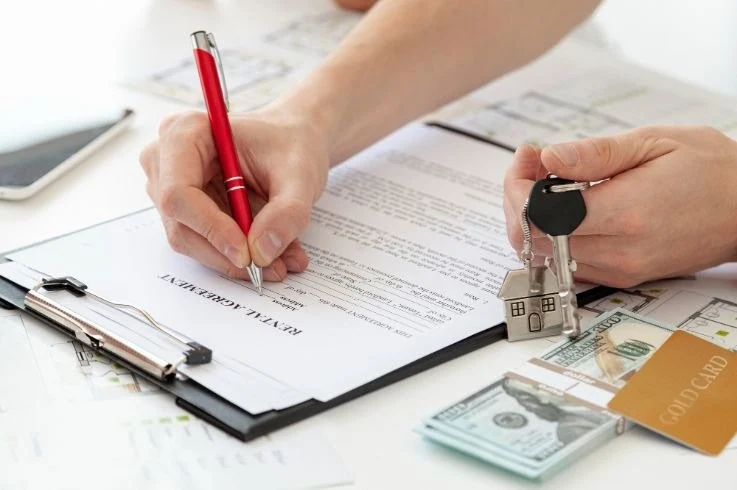
The Builder-Buyer Agreement is a legal paper signed between the builder (the seller) and the buyer. It clearly mentions the details of the property, payment plan, possession date, and responsibilities of both the builder and the buyer. This document is usually signed after the initial booking amount is paid.
Key Things You’ll Find in the BBA:
Advance Payment: The first amount you pay to block the property.
Possession Date: When the builder promises to hand over your home.
Payment Schedule: How and when you will pay the total cost, step by step.
Defect Liability Period: A fixed time after possession during which the builder must fix any construction issues.
What is an Agreement to Sell (ATS)?
The Agreement to Sell is also a legal document but comes before the final Sale Deed. It says that the seller agrees to sell the property, and the buyer agrees to buy it under specific conditions. Once the full payment is done, the final Sale Deed is registered.
Important Details Mentioned in ATS:
Sale Price (Sale Consideration): The total cost of the property.
Stamp Duty: A government tax the buyer pays while registering the property.
Transfer of Title: This confirms the legal shift of property ownership from the builder to the buyer.
Difference Between BBA and ATS
Difference Between BBA and ATS
Purpose: BBA is for builder-buyer agreement; ATS is for future ownership.
When Signed: BBA is signed after booking; ATS is signed before final deed.
Focus: BBA focuses on payment and possession; ATS focuses on title transfer
Payment Schedule Explained Simply
Both BBA and ATS include a payment plan. Here's a typical payment structure:
Booking Amount: Paid during the property booking.
Construction-Linked Payments: Payments made after certain stages like laying the foundation, building structure, etc.
Final Payment: Paid when the home is almost ready to be handed over.
Things to Check Before Signing BBA or ATS
Always read the document carefully and check these points:
Force Majeure Clause: This says that the builder is not responsible for delays caused by natural events like floods or earthquakes. Still, the time limit for such delays should be clearly mentioned.
Termination Clause: What if the builder doesn't complete the work? This clause explains when and how you can cancel the deal and get your money back.
Possession Conditions: Make sure it clearly says what kind of finishing and facilities you will get (e.g., paint, flooring, electric fittings).
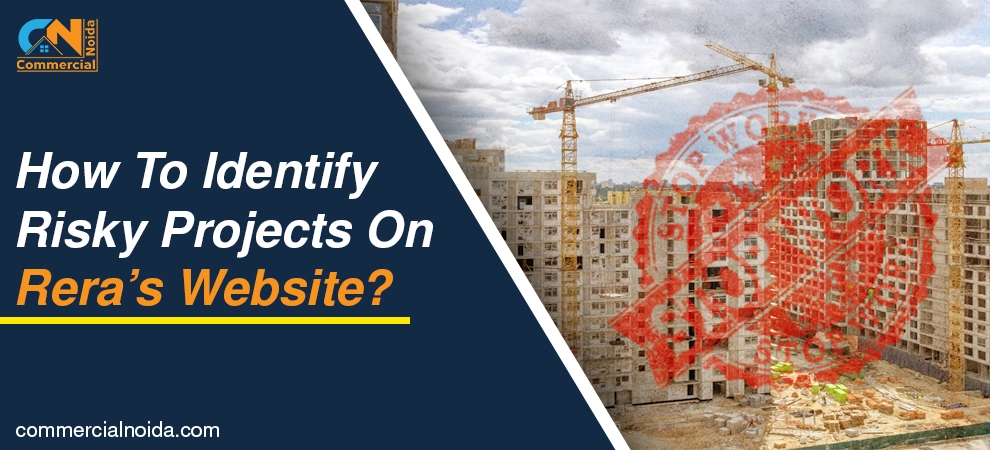
Legal Check: Always get these documents reviewed by a property lawyer. Also, check if the project is RERA registered.
Tips to Protect Yourself as a Buyer
• Always take everything in writing. Verbal promises don’t count.
• Never delay payments as per the schedule.
• Check if the builder has all government approvals.
• Ask for the latest sanctioned plan and verify it with local authorities.
Make sure the agreement mentions the penalty the builder will pay if there’s a delay in giving possession.
FAQs: Builder-Buyer Agreement & Agreement to Sell
Q1. Is stamp duty mentioned in the BBA?
Stamp duty is usually discussed in the ATS. It is paid when the final sale deed is registered.
Q2. Can I cancel the agreement after signing?
Yes, but check the termination clause. You might have to pay a cancellation charge.
Q3. What happens if the builder delays possession?
If the delay is not covered under Force Majeure, the builder may have to pay you a penalty or offer interest as compensation.
Q4. Is it necessary to register both BBA and ATS?
The ATS usually needs to be registered in some states, while the BBA often is not. But it’s important to check your local laws.
Q5. How do I ensure the documents are legally sound?
Get them checked by a property lawyer and verify if the project is registered under RERA.
Conclusion
Understanding the Builder-Buyer Agreement (BBA) and Agreement to Sell (ATS) is one of the most important parts of buying a home. These documents protect your money and your rights. Always read them carefully, take legal advice, and never sign without full clarity. With this guide, you can now move ahead with more confidence and avoid costly mistakes.

.webp)





















































































































.webp)















































































.webp)


































































.webp)