H-1B Visa Fees Hike and Impact On Indian Real Estate Market
.webp)
The H-1B visa is in the news again. The White House has recently announced major changes to the H-1B visa program — a hefty $100,000 fee on many new applications and entries. This has made it harder and more expensive for people to go to America on this visa.
Since a large number of H-1B workers are from India, this news is important not only for jobs but also for the real estate market in India, especially offices, apartments, and commercial hubs in tech cities.
In this blog, we’ll see how the new H-1B visa rules could reshape the real estate market in India.
What is the H-1B visa?
H-1B visa is a special work visa that lets skilled workers from other countries, especially in technology and engineering, work in the United States. Every year, thousands of Indian workers move to the U.S. on this visa, and many send remittances or invest in property here.
What changed recently?
• A hefty $100,000 fee is now charged for new H-1B visa applicants.
• This means fewer Indians will go for a job in the U.S.
• Some who are already there might think about returning to India.
• U.S. companies might choose to expand their offices in India instead of hiring abroad.
These changes can have a direct impact on the demand and supply in the Indian real estate market.
Impact of H-1B Visa on Indian Real Estate Market
Looking at the H-1B visa news, many wonder how it will have an effect on the Indian real estate market. Let's understand its positive and negative impact on the real estate market.
Positive Impacts
• Increase in Office Demand
If U.S. firms find it harder to take Indian employees there, they might look to expand their offices in Indian cities like Bengaluru, Hyderabad, Pune, and Chennai. This means more demand for office buildings, and business parks for new Global Capability Centers (GCCs).
• Growth in Co-working Spaces
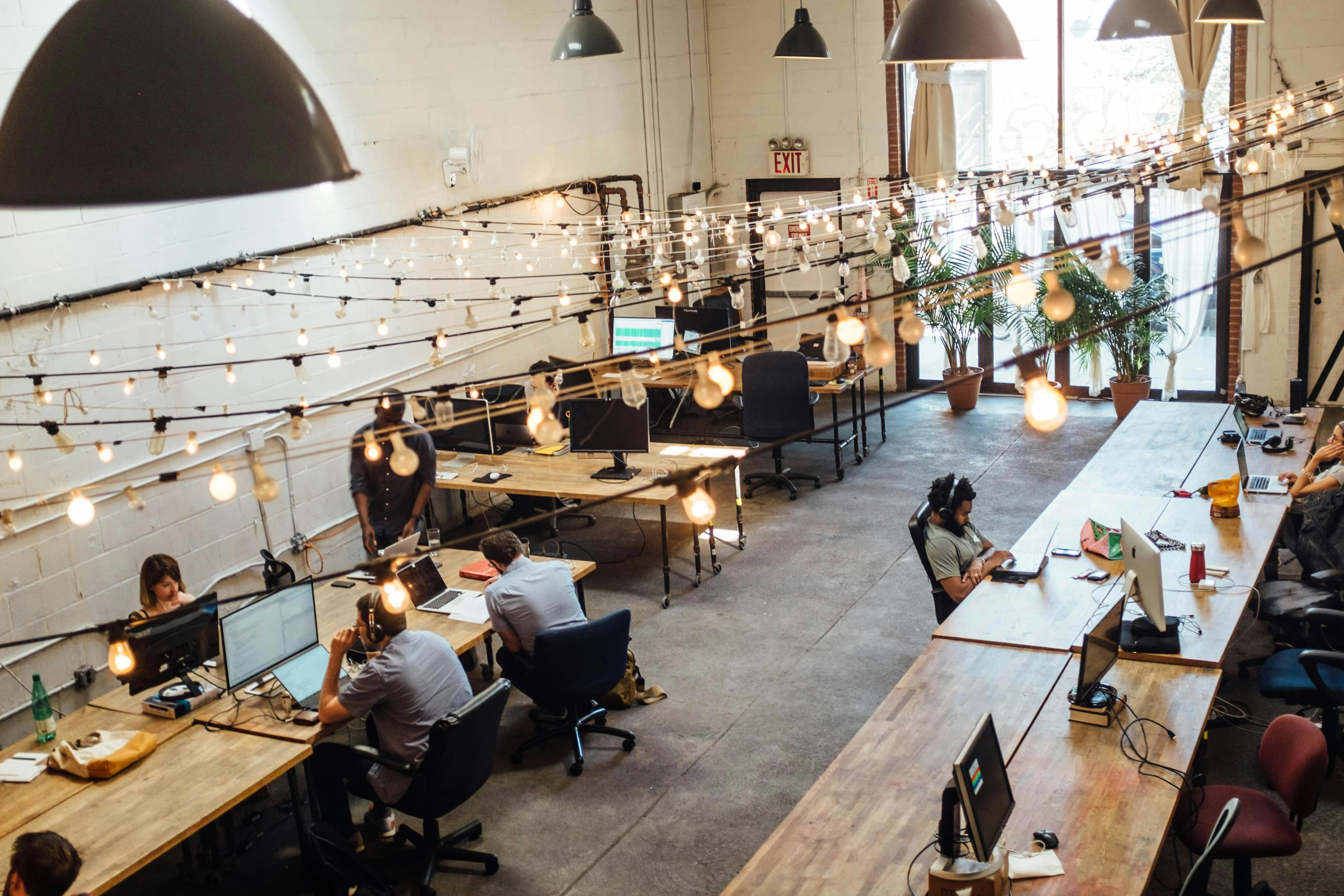
Many U.S. companies may prefer hiring Indians to work remotely from India instead of taking them abroad, which can increase demand for flexible co-working spaces.
At the same time, Indians returning from the U.S. may start their own ventures, further boosting the need for co-working offices in major cities.
• Boost for Retail Shops and Local Services
More professionals working in India means more spending on shopping, food, gyms, entertainment, and other retail services, which means a boost to many retail spaces and malls in tech cities.
• Boost in Housing Demand for Returnees
Some H-1B visa workers may return to India and look for homes. This can lead to an increase in demand for both rental homes and new fresh houses.
• Boost to Tier-1 and Tier-2 Cities
To reduce costs, companies may set up offices in smaller cities, which can create new demand for homes and office spaces outside of major metro cities, giving a boost to Tier-2 and Tier-3 cities.
• Increased Domestic Investment
With fewer workers going abroad, more money can stay back in India, leading to higher domestic investment in real estate.
Negative Impacts
• Drop in NRI Investments
Some NRIs may reduce their investments in real estate due to the uncertain situation. This can impact developers and projects that rely on money from NRI buyers.
• Lower Remittances
Fewer Indians working in the U.S. can lead to lower remittances (money sent back home). This means there may be less money available for investment in real estate, which could cause a decline in property investments in India.
• Delayed New Projects
The uncertainties caused by the H-1B visa can cause many developers to postpone new projects, which can result in reduced job opportunities in real estate, slow construction activity, and unavailability of new homes and offices.
• Short-Term Market Uncertainty
The new H-1B rules can create confusion and doubts among investors and buyers. This can cause them to pause their property-buying decisions and slow down real estate sales and rentals across cities.
• Rising Housing Prices in Big Cities
With more skilled workers staying in big cities, more people will need homes, which can raise property prices. This is good for developers but can make it harder for middle-class families to buy a home.
Key Takeaway
The H-1B visa changes have both positive and negative effects on India’s real estate market. For some, it comes as a challenge, but for others, it comes as an opportunity.
On one hand, luxury homes and investment properties aimed at NRIs may see slower demand, and on the other hand, office buildings, co-working spaces, and residential apartments near tech cities may see increased demand.
In simple words, this means that though some parts of the market will slow down, others could grow stronger.
Stay connected with our blogs to know more about how the H-1B visa changes may affect the real estate market in India in the coming months.




















































































































































.webp)















































































.webp)



































































.webp)